Plant safety
Is Amaryllis Toxic to Dogs?
Hippeastrum spp. (also Amaryllis belladonna) · Amaryllidaceae
Also called Hippeastrum, Barbados lily, Fire lily, Belladonna lily, Naked lady
Toxic to dogs
Severity: Moderate
Yes. Amaryllis is toxic to dogs, and the bulb is the most dangerous part. Nibbled leaves or flowers usually cause vomiting, drooling and diarrhea, while a chewed bulb can lead to tremors, seizures and a drop in blood pressure.
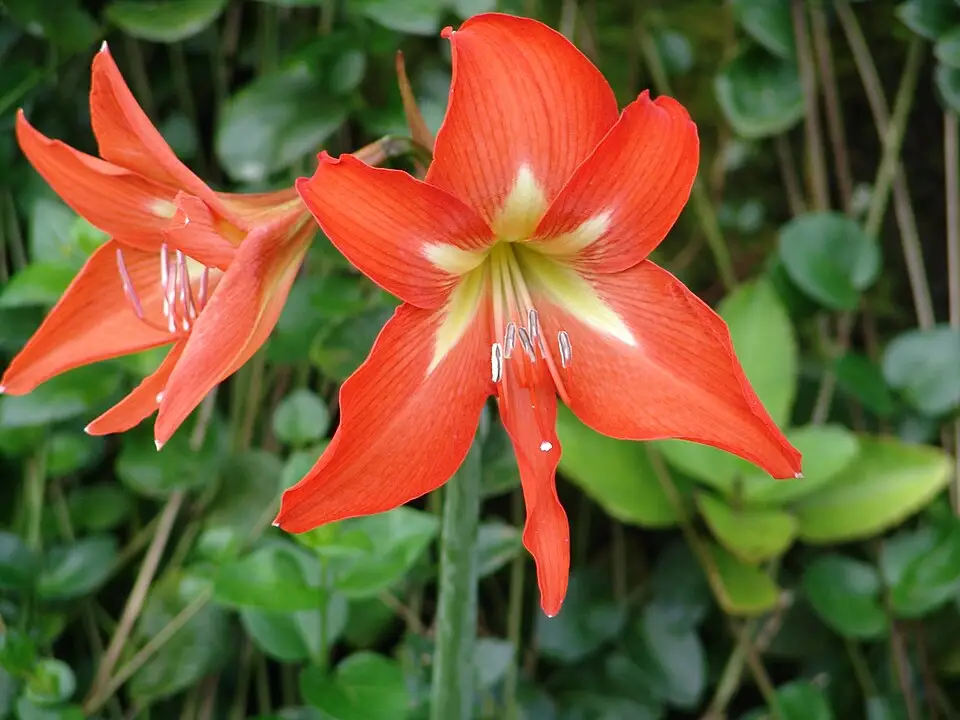
- Toxic parts
- Bulb (most toxic), Leaves, Stems, Flowers
- Toxic compounds
- Lycorine and other phenanthridine alkaloids, plus raphide oxalate crystals concentrated in the bulb (per Pet Poison Helpline)
- Where you’ll find it
- House and garden
Signs of poisoning
- Vomiting
- Drooling
- Diarrhea
- Abdominal pain
- Loss of appetite
- Depression or lethargy
- Weakness
- Tremors
- Low blood pressure
- Seizures (mainly after eating bulbs)
- Irregular heart rhythm or slowed breathing after large amounts
Why it’s harmful to dogs
The amaryllis sold for the holidays, with showy red, pink or white flowers on a tall stalk, is usually a Hippeastrum. The name is confusing, because a separate genus, Amaryllis, includes the garden bulb called belladonna lily or naked lady. Pet Poison Helpline's amaryllis entry covers both.
For your dog, the mix-up doesn't change the answer. The ASPCA lists both as toxic to dogs:
| Plant | Often sold as | ASPCA entry | Dogs |
|---|---|---|---|
| Hippeastrum spp. | Amaryllis, holiday amaryllis bulbs | Barbados lily (other names: amaryllis, fire lily, lily of the palace) | Toxic |
| Amaryllis belladonna | Belladonna lily, naked lady | Amaryllis | Toxic |
Both contain lycorine and related alkaloids. Pet Poison Helpline adds raphide oxalate crystals, most concentrated in the bulb, which cause drooling and stomach discomfort. And despite lily-sounding nicknames, amaryllis isn't a true lily.
Bulb vs leaves vs flowers
| Part eaten | What Pet Poison Helpline describes |
|---|---|
| Flowers and leaves | Vomiting, drooling and diarrhea are most common |
| The bulb, especially a large amount | Weakness, tremors, seizures and changes in blood pressure |
Pet Poison Helpline describes the effects as dose-dependent, with a drop in blood pressure and slowed breathing possible. The ASPCA's entries add depression, abdominal pain and loss of appetite, and say large amounts of Hippeastrum can cause heart rhythm problems.
Bulbs in the house
Pet Poison Helpline notes that many people grow amaryllis from bulbs over the Christmas season. That can leave the most toxic part of the plant sitting in a pot for weeks, at nose height if the pot is on the floor. A loose bulb waiting to be planted is worse: the ASPCA warns that bulbs swallowed whole or in big pieces can block the gut and may need surgery.
If your dog ate amaryllis
Take any plant pieces out of your dog's mouth if you can do it safely, and work out which part was eaten. A chewed bulb is a bigger worry than a torn petal, and your vet will want to know which it was and roughly how much.
Call your vet, an emergency clinic or a poison helpline now, especially if any bulb was eaten. In the US, ASPCA Animal Poison Control is at (888) 426-4435 and Pet Poison Helpline at (855) 764-7661 (fees may apply); elsewhere, call your local emergency vet. Don't try to make your dog vomit at home.
Have the plant tag or a photo ready, since many plants share similar names. Go to an emergency clinic if your dog is trembling, weak or having a seizure. Milder cases usually mean vomiting, drooling and diarrhea.
Keeping your dog safe
Put potted amaryllis on a high shelf or in a room your dog can't enter, and turn the pot so leaves don't hang over the edge. Keep unplanted bulbs in a closed box or cupboard, not in a bag on the floor, and pick up fallen petals and leaves.
If you grow amaryllis outdoors in a warm climate, remember where the bulbs are, as the ASPCA suggests, and fence or net the bed if your dog digs.
For winter flowers with less worry, try a Christmas cactus or an orchid. Keep paperwhites and poinsettia out of reach too.
Dog-safe alternatives
Frequently asked questions
Is the amaryllis bulb the most dangerous part?
Yes. Pet Poison Helpline says the bulb is more toxic than the flowers and leaves, and the ASPCA's Hippeastrum entry calls bulbs the most poisonous part.
Is amaryllis the same as Hippeastrum?
The holiday amaryllis is usually a Hippeastrum. The genus Amaryllis is a different bulb, also called belladonna lily or naked lady. The ASPCA lists both as toxic to dogs.
Is amaryllis a true lily?
No. Pet Poison Helpline points out that amaryllis isn't a true lily, even though some types are sold with lily names.
How much amaryllis is dangerous for a dog?
No safe amount has been published. Pet Poison Helpline says the effects are dose-dependent: flowers and leaves most often cause vomiting, drooling and diarrhea, while the bulb, especially in large amounts, can cause weakness, tremors, seizures and blood pressure changes. Call your vet whatever the amount.
Written from veterinary sources by the Pawsplained editorial team. Not yet reviewed by a veterinarian; this is general information, not a diagnosis or treatment plan. Updated Nov 7, 2026. Editorial policy


